How to Taste Whiskey Properly: A Sensory Guide for the Discerning Palate
Whiskey is not merely a drink. It is a discipline — one that rewards patience, attention, and the right vessel. Whether you are new to the world of single malts or a seasoned collector, learning to taste whiskey properly transforms each pour into a considered ritual. This guide walks you through the four stages of a proper whiskey tasting, and explains why the glass you choose is as important as the spirit itself.
1. Sight: The First Impression
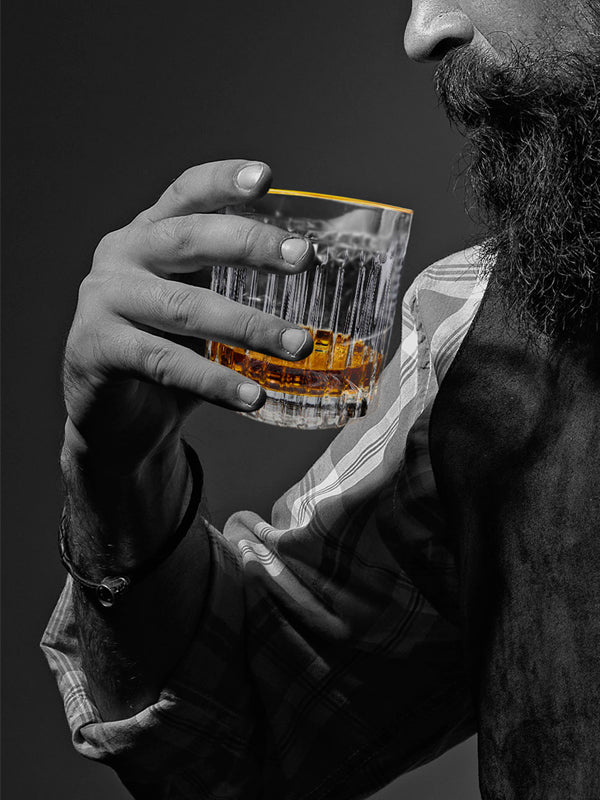
Hold your glass up to natural light and observe the colour. A pale straw suggests a younger spirit or one aged in used casks; deep amber and mahogany indicate longer maturation or sherry-cask influence. Tilt the glass gently and watch the legs — the slow, viscous trails that run down the inside. Thick, slow-moving legs signal higher glycerol content and body, a hallmark of well-aged whiskey.
The glass matters here. A wide-bowled tumbler diffuses colour; a tulip-shaped or crystal nosing glass concentrates it, allowing you to read the spirit with precision. Clarity is equally telling — fine whiskey, unfiltered and unmanipulated, carries a natural depth that catches the light beautifully.
2. Nose: Where Complexity Lives
Nosing is the most revealing stage of a whiskey tasting. Bring the glass slowly to your nose — do not plunge in. Allow the alcohol to dissipate for a moment, then inhale gently through slightly parted lips. This technique prevents the ethanol from overwhelming your olfactory receptors.
What you are searching for are layers. The first wave may bring grain, vanilla, or fresh oak. Beneath that, you might detect dried fruit, leather, beeswax, or smoke. Return to the glass after a minute; the aromas will have evolved. Add a few drops of still water — not ice — to open the spirit further. Water breaks the surface tension and releases volatile compounds that would otherwise remain locked.
A well-crafted crystal glass with a narrowed rim concentrates these aromas and directs them precisely to the nose. This is not an aesthetic preference — it is a functional one.
3. Palate: The Full Expression
Take a small sip and allow the whiskey to coat your entire palate before swallowing. Let it rest on the tongue for several seconds. Notice the texture first — is it oily, silky, or thin? Then identify the flavours: sweetness at the tip of the tongue, bitterness at the back, salinity at the sides.
Quality whiskey reveals itself in waves. An initial sweetness may give way to spice, then to fruit, then to something mineral or earthy. This progression — the mid-palate development — is the mark of a complex, well-made spirit. Cheap whiskey tends to be one-dimensional; great whiskey tells a story.
Chew the whiskey gently, as a sommelier would with wine. This aerates the spirit and amplifies the flavour compounds. You will be surprised at what emerges.
4. Finish: The Lasting Impression
The finish is what remains after you swallow — the warmth, the flavour, the memory. A short finish dissipates quickly; a long finish lingers for minutes, evolving as it fades. The finest whiskeys are known for their extraordinary length of finish: waves of spice, dried fruit, or dark chocolate that persist long after the glass is set down.
Note whether the finish is warming or burning. Warmth is the sign of a well-integrated spirit; burning suggests high alcohol that has not been properly balanced. A smooth, extended finish is the hallmark of exceptional craftsmanship — in the distillery and in the glass.
The Role of the Glass
Every stage of this ritual is shaped by the vessel you choose. A heavy, flat-bottomed tumbler has its place — it is the glass of a long evening, of ice and conversation. But for serious tasting, the glass must work with the spirit, not against it.
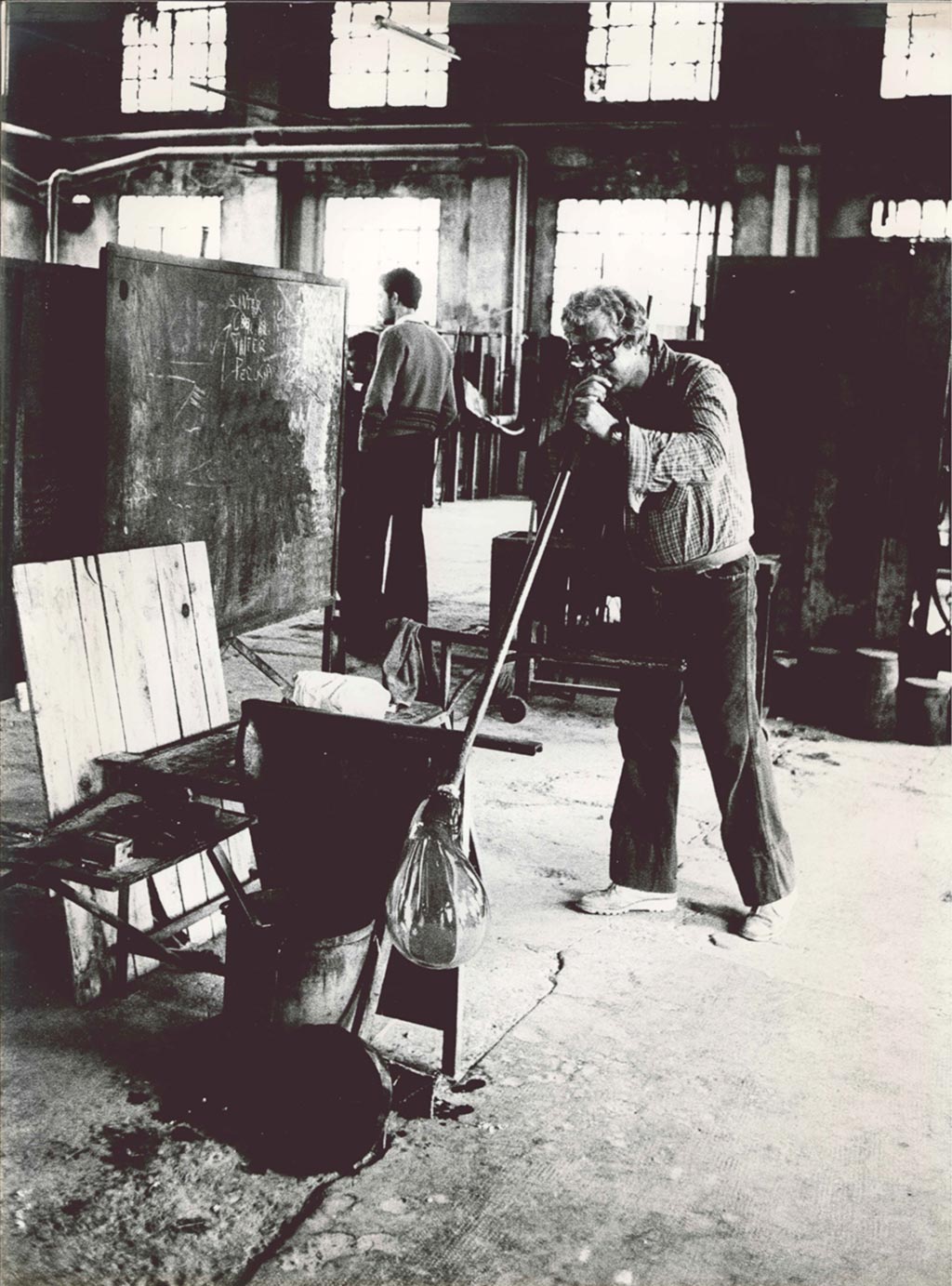
The ideal whiskey glass is hand-blown, thin-walled, and precisely shaped to concentrate aroma, reveal colour, and deliver the spirit cleanly to the palate. It should feel balanced in the hand — neither too heavy nor too light — and it should be beautiful, because the ritual of tasting deserves an object worthy of it.
At Reign Whiskey Glass, each piece is crafted by Murano artisans using centuries-old glassblowing techniques, finished with 24k gold detailing. These are not merely glasses. They are instruments — designed to elevate every pour into an experience.
A Final Note on Patience
The greatest mistake a new taster makes is rushing. Whiskey rewards those who slow down. Pour. Observe. Nose. Sip. Reflect. The complexity of a fine spirit reveals itself only to those willing to pay attention.
Begin with a whiskey you know well — a familiar bottle that you can use as a reference point. Then, with each new pour, apply this framework. Over time, your palate will develop, your vocabulary will expand, and what once tasted simply like "whiskey" will reveal itself as something far more layered and extraordinary.
The glass in your hand is the beginning of that journey. Choose it accordingly.