Article: How to Care for Your Murano Glass: Preserving 24k Gold Detail and Venetian Craftsmanship
How to Care for Your Murano Glass: Preserving 24k Gold Detail and Venetian Craftsmanship
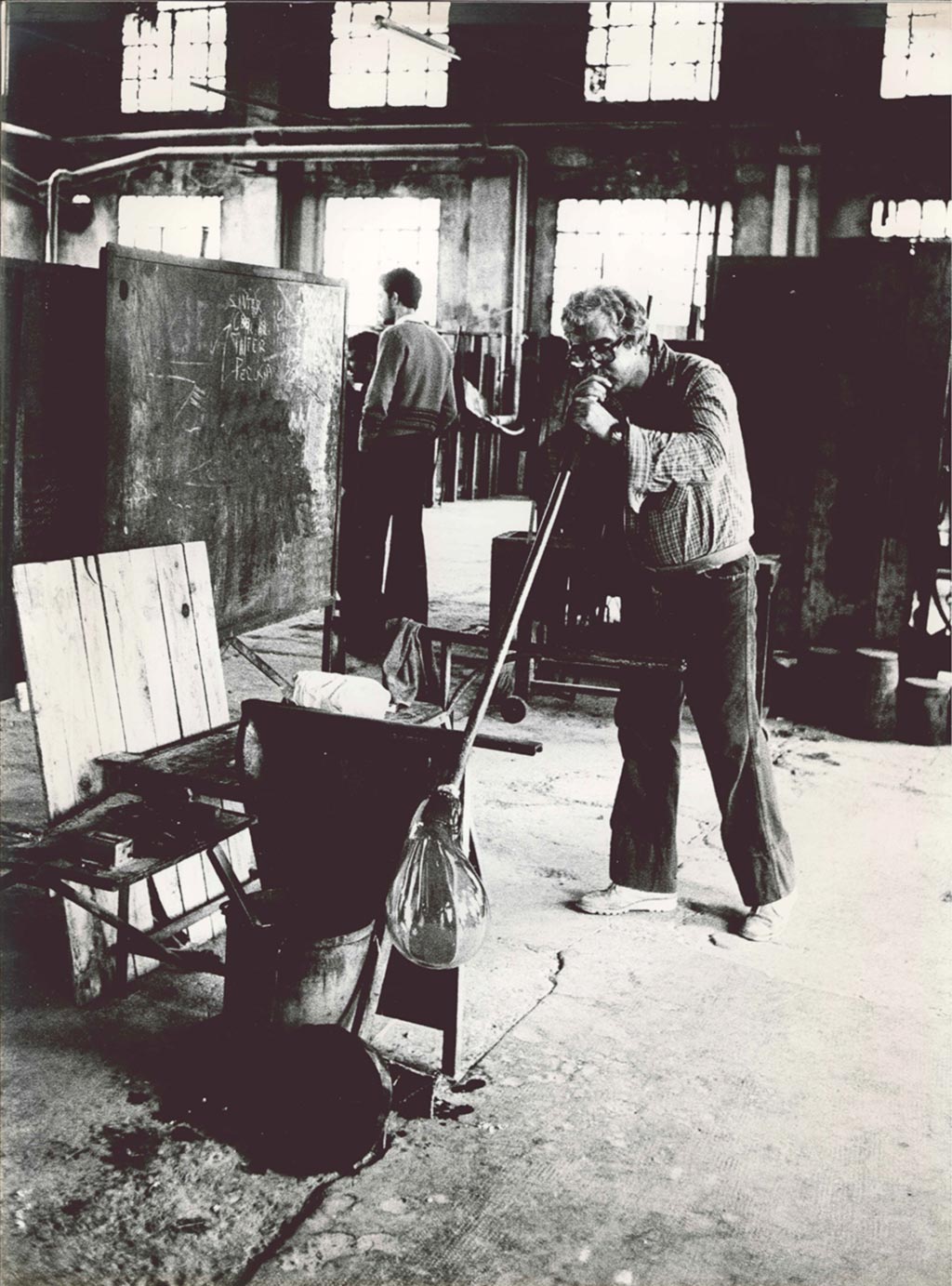
A piece of Murano glass is not a commodity. It is the result of centuries of accumulated knowledge, passed from master to apprentice in the furnaces of Venice, shaped by breath and fire into something that cannot be replicated by machine. When you bring a Murano glass piece into your home, you are accepting a certain stewardship — a responsibility to preserve what took generations to perfect.
Caring for Murano glass, particularly pieces finished with 24k gold detailing, requires a different approach than everyday glassware. This guide sets out the principles and practices that will keep your pieces in exceptional condition for decades to come.
Understanding What You Are Caring For
Murano glass is hand-blown using techniques that date to the 13th century. Each piece is formed individually, which means no two are identical — and no two have exactly the same wall thickness, weight distribution, or structural characteristics. This individuality is its beauty, and also the reason it demands careful handling.
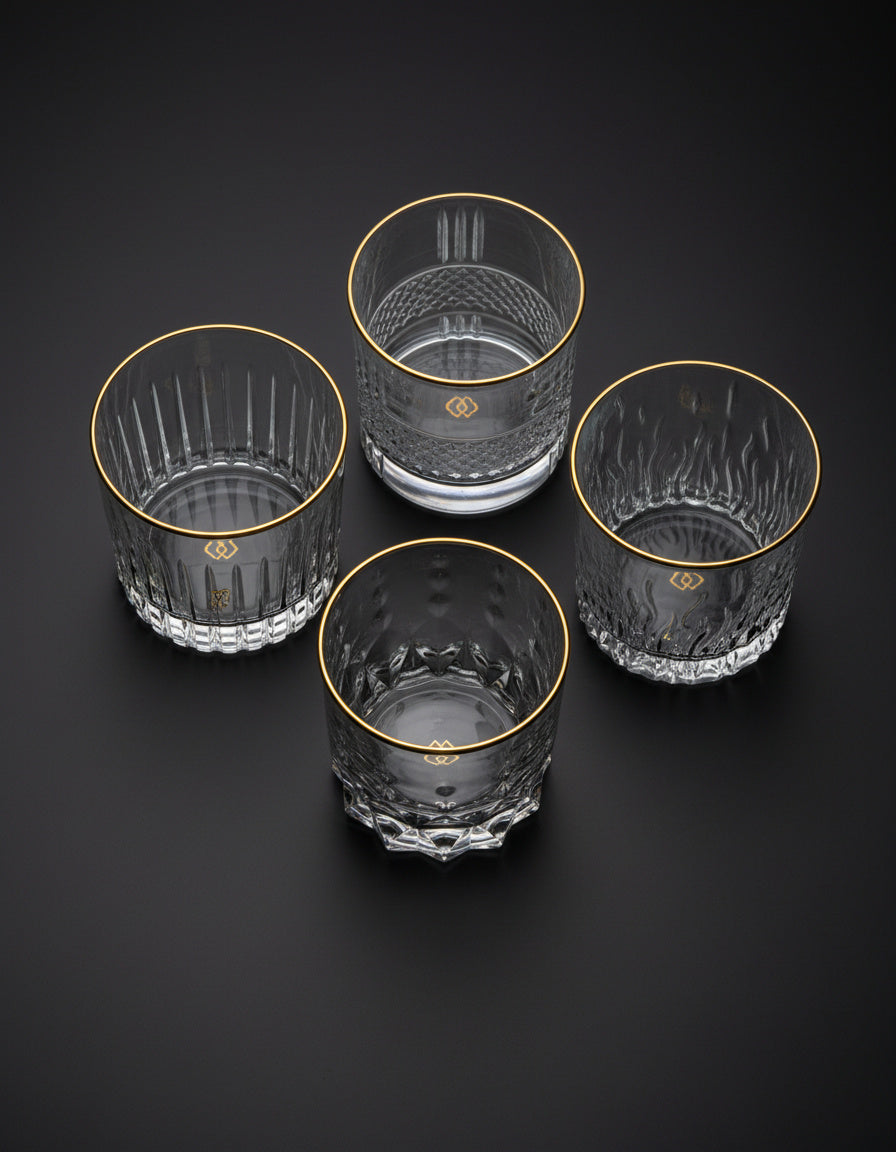
The 24k gold detailing applied to Reign Whiskey Glass pieces is not a surface coating in the conventional sense. It is fused to the glass during the blowing process or applied using traditional gilding methods that bond the gold at a molecular level. This makes it durable, but not indestructible. Abrasive materials, harsh chemicals, and extreme temperature changes are its primary enemies.
Handling: The Foundation of Care
The most common cause of damage to fine glassware is not improper cleaning — it is improper handling. Always hold a Murano glass piece by its base or body, never by the rim. The rim is the thinnest, most vulnerable point of any blown glass vessel.
When setting a piece down, do so deliberately and gently. Avoid placing it on hard, uneven surfaces without a soft cloth or felt pad beneath it. Even a minor impact on a hard surface can create a micro-fracture that is invisible to the eye but compromises the structural integrity of the glass over time.
When moving pieces, carry one at a time. Never stack Murano glass or allow pieces to touch one another in storage without protective padding between them.
Cleaning: Gentle, Always
Hand washing is the only appropriate method for Murano glass. The dishwasher — regardless of the cycle or temperature setting — is not suitable. The combination of high heat, pressurised water, and abrasive detergents will dull the glass surface, erode gold detailing, and risk thermal shock that can crack even thick-walled pieces.
The correct method:
- Fill a basin with lukewarm water — never hot, never cold. Extreme temperatures cause thermal shock.
- Add a small amount of mild, pH-neutral dish soap. Avoid anything containing bleach, citrus acids, or abrasive particles.
- Use a soft cloth or microfibre sponge. Never use steel wool, abrasive pads, or stiff brushes.
- Clean the interior of the glass with a gentle circular motion. For narrow-necked pieces, use a soft bottle brush with natural bristles.
- Rinse thoroughly with lukewarm water to remove all soap residue.
- Dry immediately with a clean, lint-free cloth. Do not allow water to air-dry on the surface, as mineral deposits in tap water can leave marks that are difficult to remove without abrasion.
Caring for 24k Gold Detailing
Gold detailing requires particular attention during cleaning. When washing areas with gold, use the lightest possible pressure — the goal is to remove residue, not to scrub. Avoid directing water jets or concentrated soap directly onto gold-detailed areas.
If you notice a build-up of residue on gold detailing over time, dampen a cotton pad with a small amount of isopropyl alcohol (70% concentration) and gently dab — do not rub — the affected area. This will dissolve organic residue without damaging the gold. Test on an inconspicuous area first.
Never use silver polish, metal cleaners, or any product not specifically formulated for gold on glass. These products contain compounds that will strip or discolour the detailing.
Storage: Protecting the Investment
When not in use, store Murano glass pieces upright, never inverted. Storing a glass rim-down places the most fragile part of the piece under constant pressure and increases the risk of chipping.
Keep pieces in a dedicated cabinet or display case, away from direct sunlight. Prolonged UV exposure can alter the colour of certain glass types, particularly those with mineral-based pigments. A closed cabinet also protects against dust accumulation, which, if left to settle and then wiped away carelessly, can act as a mild abrasive.
If storing pieces for an extended period, wrap each one individually in acid-free tissue paper or soft cotton cloth. Place them in a box with adequate padding — bubble wrap is acceptable as an outer layer, but should not be in direct contact with gold-detailed surfaces, as the plastic can leave impressions over time.
What to Do If a Piece Is Damaged
If a piece chips or cracks, do not attempt to repair it yourself with household adhesives. Standard glues are not food-safe, are not optically clear, and will not hold under the thermal stress of use. For pieces of significant value, consult a professional glass restorer who specialises in art glass or crystal.
Minor surface scratches on the glass body — not on gold detailing — can sometimes be polished out using a specialist glass polishing compound and a soft cloth. This is a delicate process and should be approached with caution.
A Note on Everyday Use
Murano glass is made to be used. The artisans who create these pieces do not intend them for display cases alone — they are functional objects, designed to hold liquid, to be held in the hand, to be part of a ritual. Use them. Pour your finest whiskey into them. Let them do what they were made to do.
With proper care, a Murano glass piece will outlast its owner. It will be passed down, admired, and used by generations who may never know the name of the artisan who made it — but who will feel, in the weight and warmth of the glass in their hand, that it was made by someone who cared deeply about their craft.
That is the nature of Venetian glassmaking. And it is why it deserves to be preserved.